Flatbed Trucking in Phoenix: What Contractors Need Now
Flatbed trucking in Phoenix is harder to book than it has been in years. If you are a contractor, manufacturer, or industrial supplier operating in the Valley, that statement probably does not surprise you.
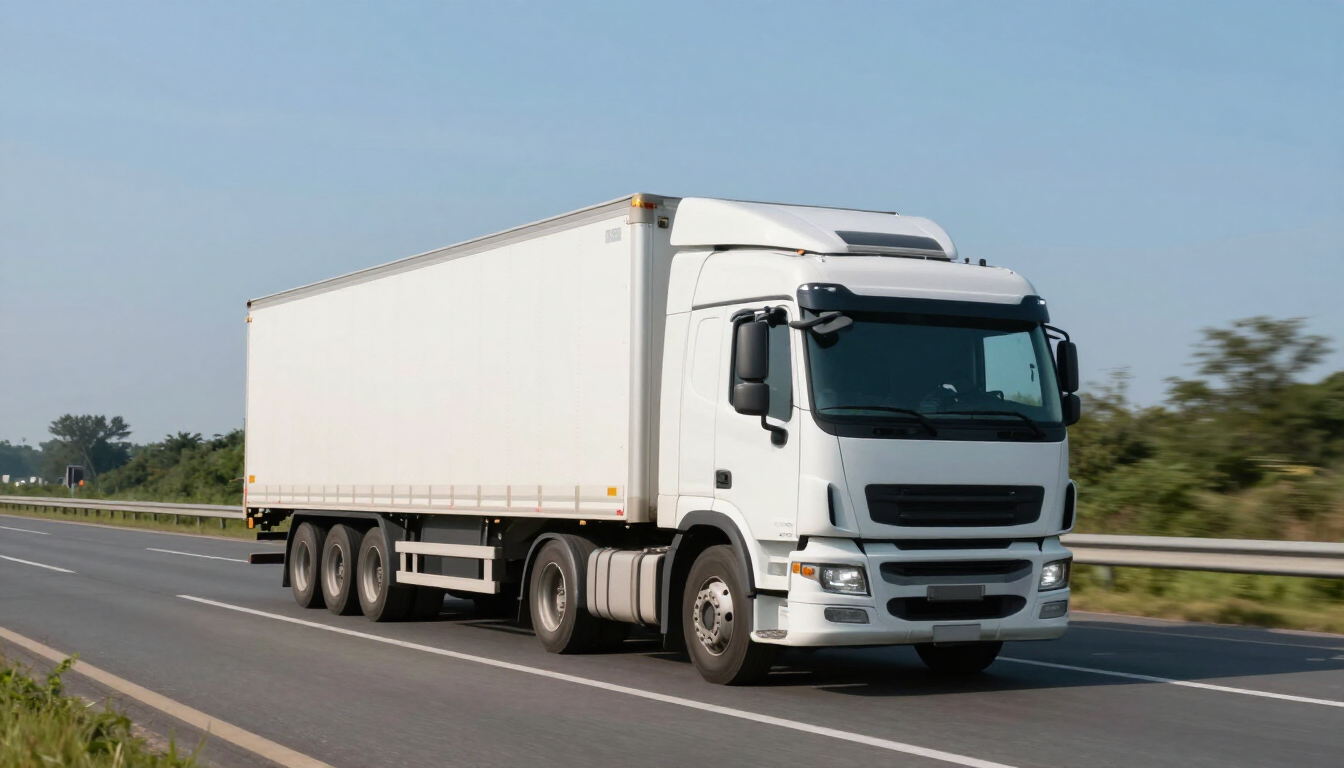
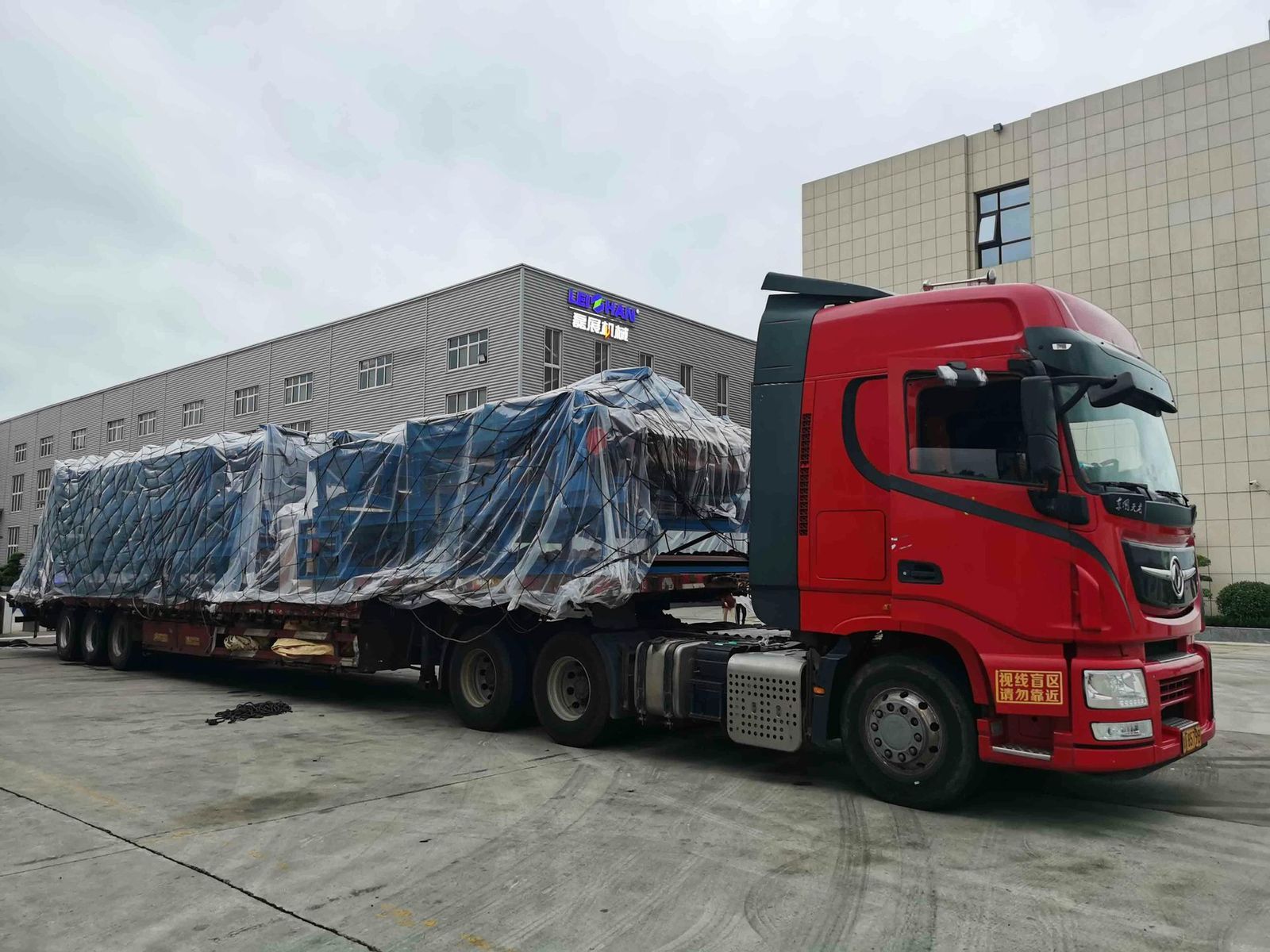
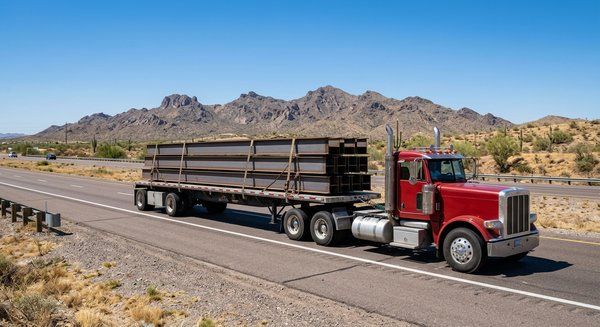
Phoenix is in the middle of an industrial construction surge that has reshaped freight demand across the entire metro. Semiconductor campuses, data centers, and advanced manufacturing facilities are rising across the desert landscape. Each of those projects needs heavy structural steel, oversized machinery, and specialized equipment moved with precision. That freight does not fit in a dry van. It needs a flatbed.
Tiny's Trucking has operated in this market long enough to see demand cycles come and go. What is happening in 2026 is different. Here is what Phoenix-area businesses need to understand about the flatbed market right now.
Why Flatbed Capacity Is Tighter Than Ever in 2026
The boom is real. Phoenix has become the nation's leading hub for semiconductor and advanced manufacturing investment. Projects like the TSMC campus and Amkor's packaging facility represent billions in construction activity. Add in the regional data center buildout, and you have an enormous, sustained pipeline of freight that requires open-deck equipment.
Flatbed spot rates have climbed to roughly $3.77 per mile. Open-deck shipping tender rejections have spiked, meaning carriers are turning down loads because their trucks are already committed. That is not a soft market. That is a full one.
Meanwhile, the broader freight market is tightening. Carriers have scaled back fleet expansions. Operational costs, including fuel and insurance, have climbed into territory that is forcing smaller operators out. Fewer available trucks plus surging demand equals a squeeze for shippers who wait too long to book.
What Gets Moved on a Flatbed in the Phoenix Area
Not every load requires a flatbed, but many more do than shippers initially expect. In the Phoenix, Glendale, and Scottsdale markets, common flatbed freight includes:
- Heavy structural steel beams and frames for commercial buildings
- Large HVAC units and industrial generators headed to construction sites
- Semiconductor manufacturing equipment and cleanroom components
- Crane components and heavy lifting machinery
- Precast concrete panels and oversized building materials
- Agricultural and construction equipment being relocated
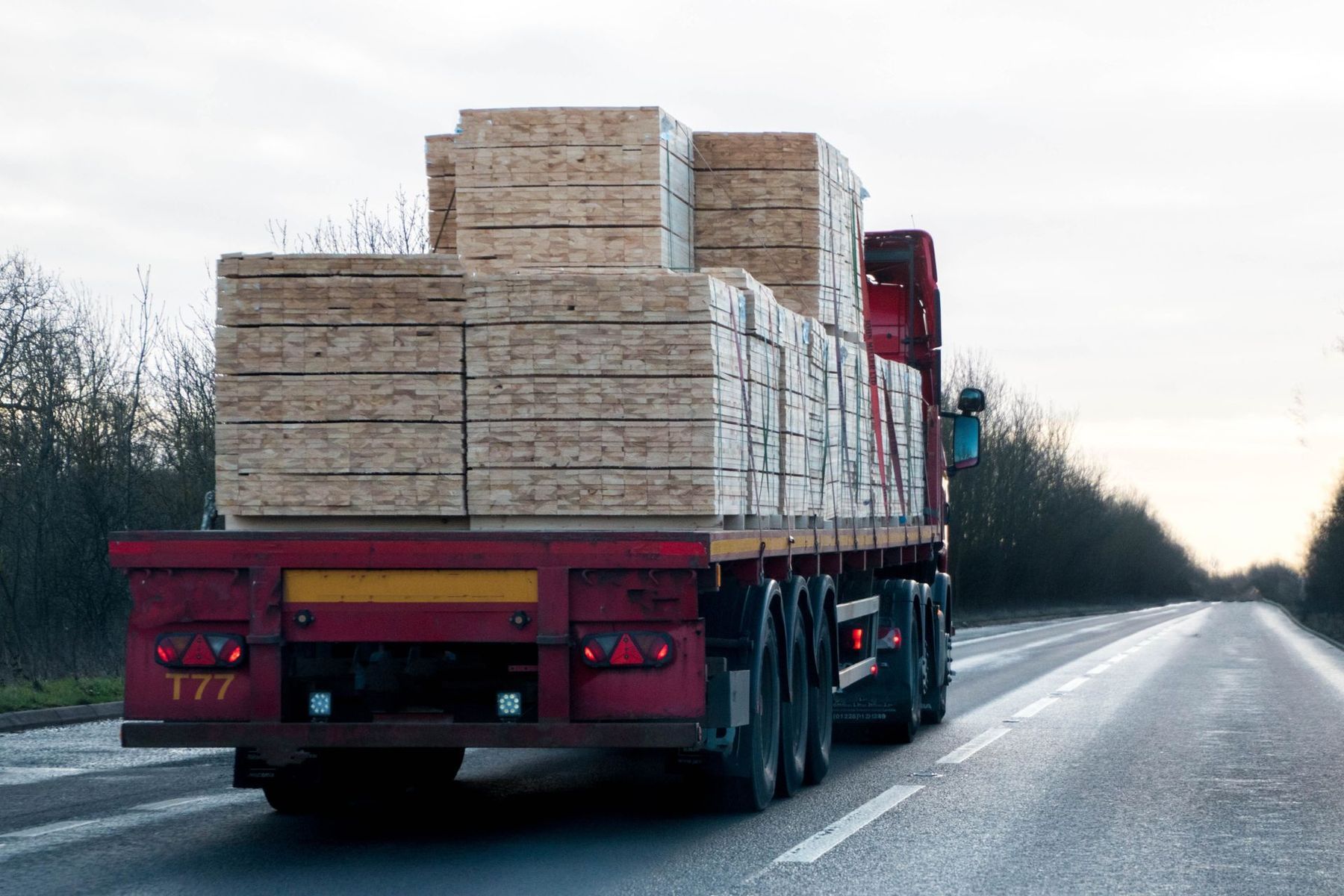
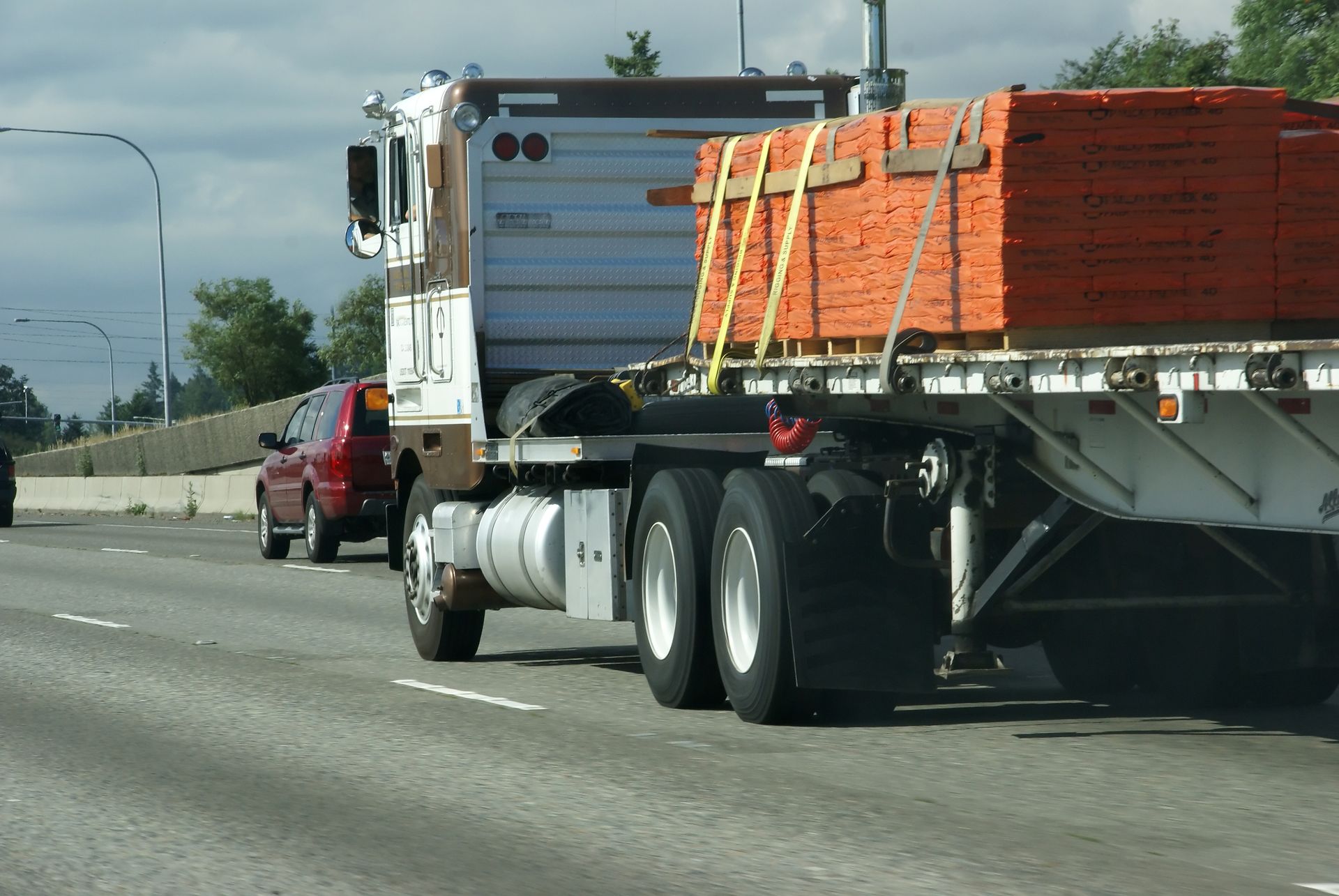
If your load is oversized, unusually heavy, or cannot be enclosed, a flatbed is likely the right solution. Flatbed trucking also allows for side and overhead loading. That makes it far more flexible for job site delivery than a standard trailer.
Planning Ahead: The Most Important Shift for Phoenix Shippers
Here is the practical takeaway. Last-minute freight bookings are expensive right now. That has always been somewhat true, but in 2026 it carries real project risk.
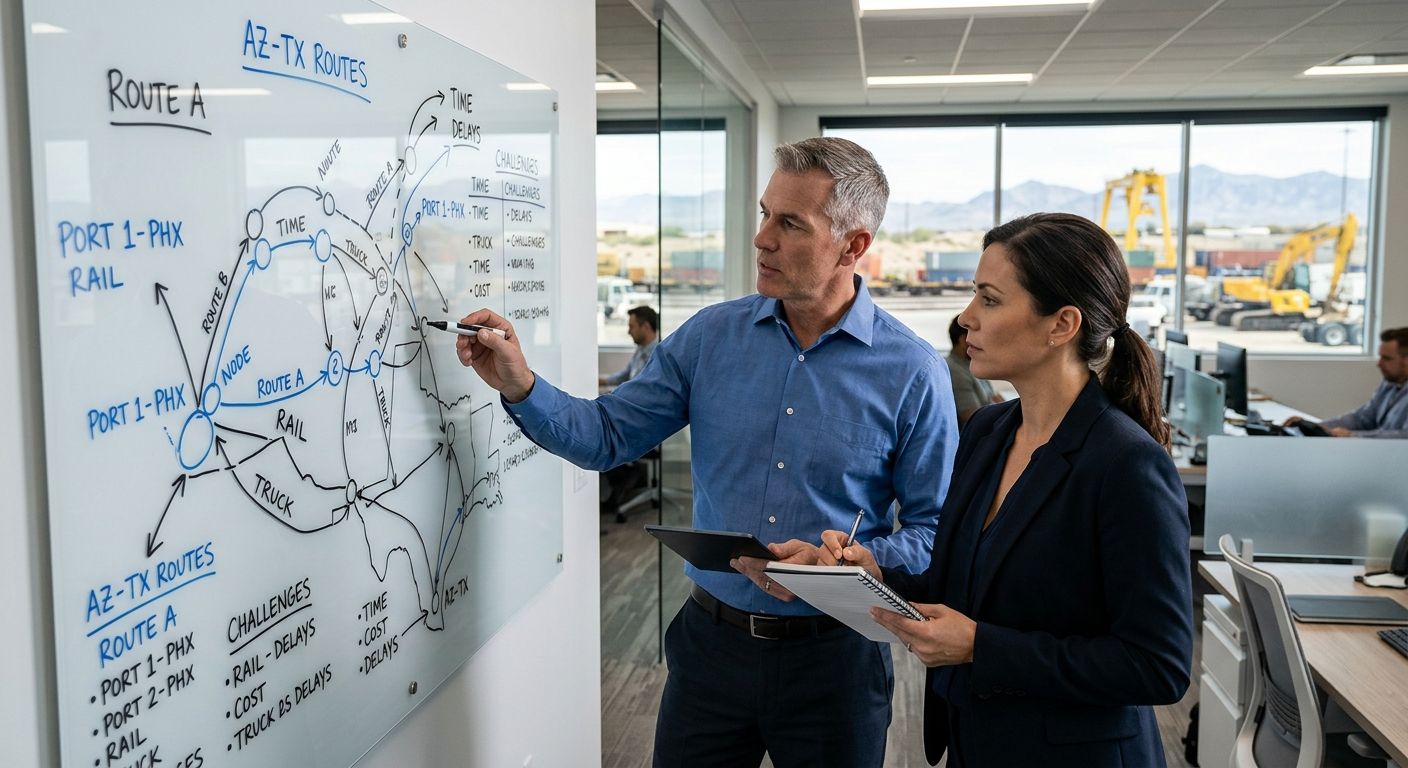
When tender rejection rates spike, you are not just paying more. You may not find a truck at all on short notice. For a construction superintendent waiting on a steel delivery to keep crews working, that is a costly problem.
The shippers coming out ahead are locking in carrier relationships before they need them. Book capacity days or even weeks in advance. Waiting until hours before pickup is the single biggest mistake Phoenix-area contractors make.
Consider these steps to stay ahead of the market:
- Identify your upcoming flatbed freight needs at the project planning stage, not the day before delivery.
- Communicate dimensions, weight, and special handling requirements to your carrier early.
- Build a relationship with a local carrier who knows Phoenix road conditions, permit requirements, and job site logistics.
- Confirm pickup and delivery windows well in advance, especially for high-security or time-sensitive equipment.
The Heat Factor: Why Phoenix Flatbed Logistics Require Local Knowledge
Phoenix summers are no joke for freight operations. Triple-digit temperatures affect equipment, load securement materials, and driver safety. An experienced local carrier accounts for these variables.
Metal expands in extreme heat. That matters for load securement, especially on long flatbeds carrying steel or machinery. Summer deliveries to active construction sites in the West Valley and Scottsdale corridor need careful timing. Crews must stay safe, and peak traffic on I-10 and Loop 202 must be avoided.
Local carriers also understand permit routing for oversized loads in Maricopa County. Getting that wrong causes delays that could have been avoided entirely.
Flatbed Trucking vs. Other Equipment Transport Options
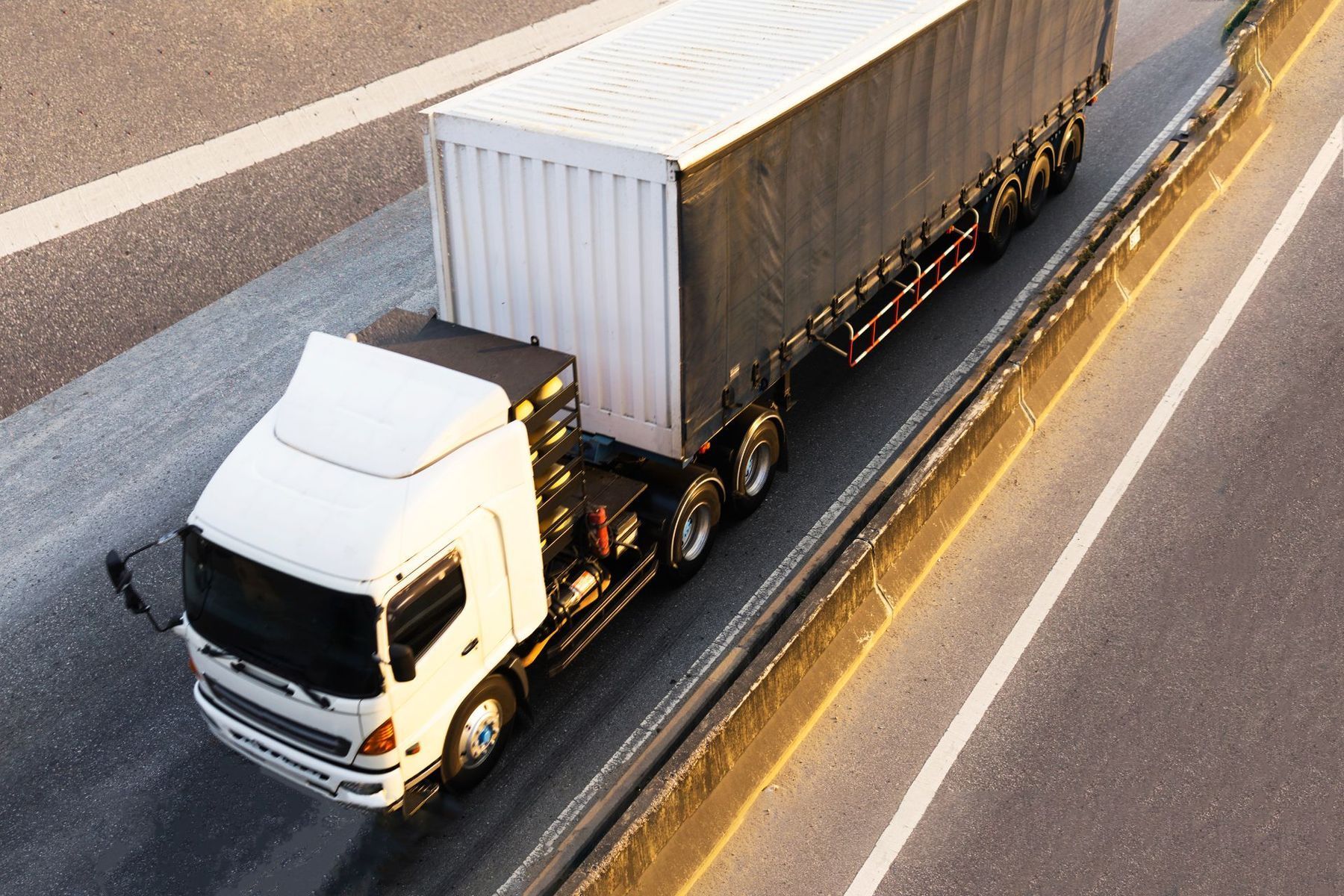
Flatbed trailers are the workhorse of industrial freight, but they are not the only option. Depending on your load, equipment transport with specialized rigging or lowboy trailers may be the better fit for exceptionally heavy or tall machinery.
The key is knowing which equipment type matches your freight. A good local carrier will help you make that call rather than just taking the booking. Oversized loads handled on the wrong trailer type create safety risks and potential compliance issues with Arizona DOT regulations.
Frequently Asked Questions
What is the lead time I should allow for booking flatbed trucking in Phoenix right now?
In the current market, aim for at least five to seven business days of lead time for standard flatbed loads. For oversized or permitted loads, two weeks or more is safer. Capacity is tighter than in previous cycles, and last-minute bookings carry real availability and cost risk.
Does flatbed trucking work for deliveries to active construction sites?
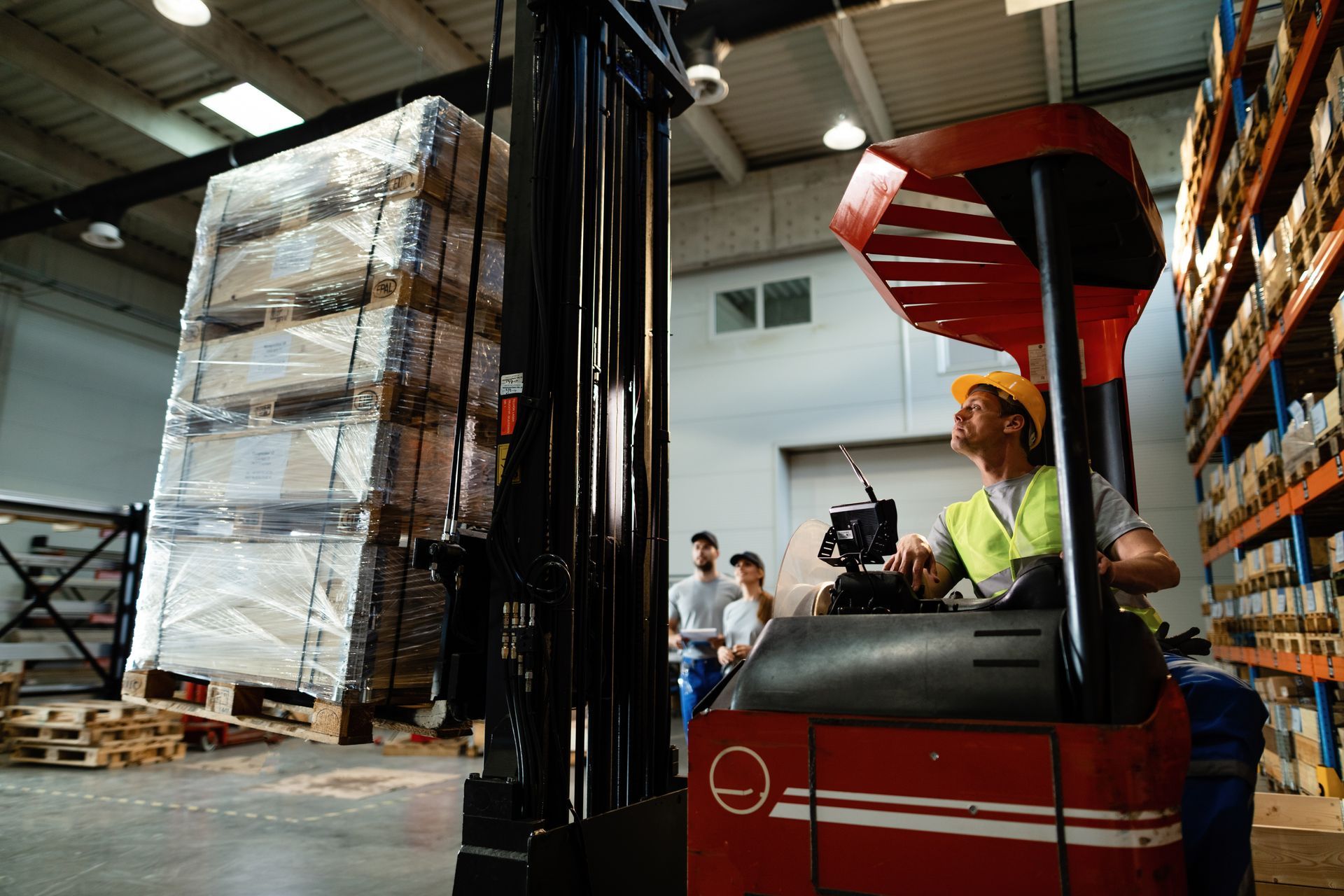
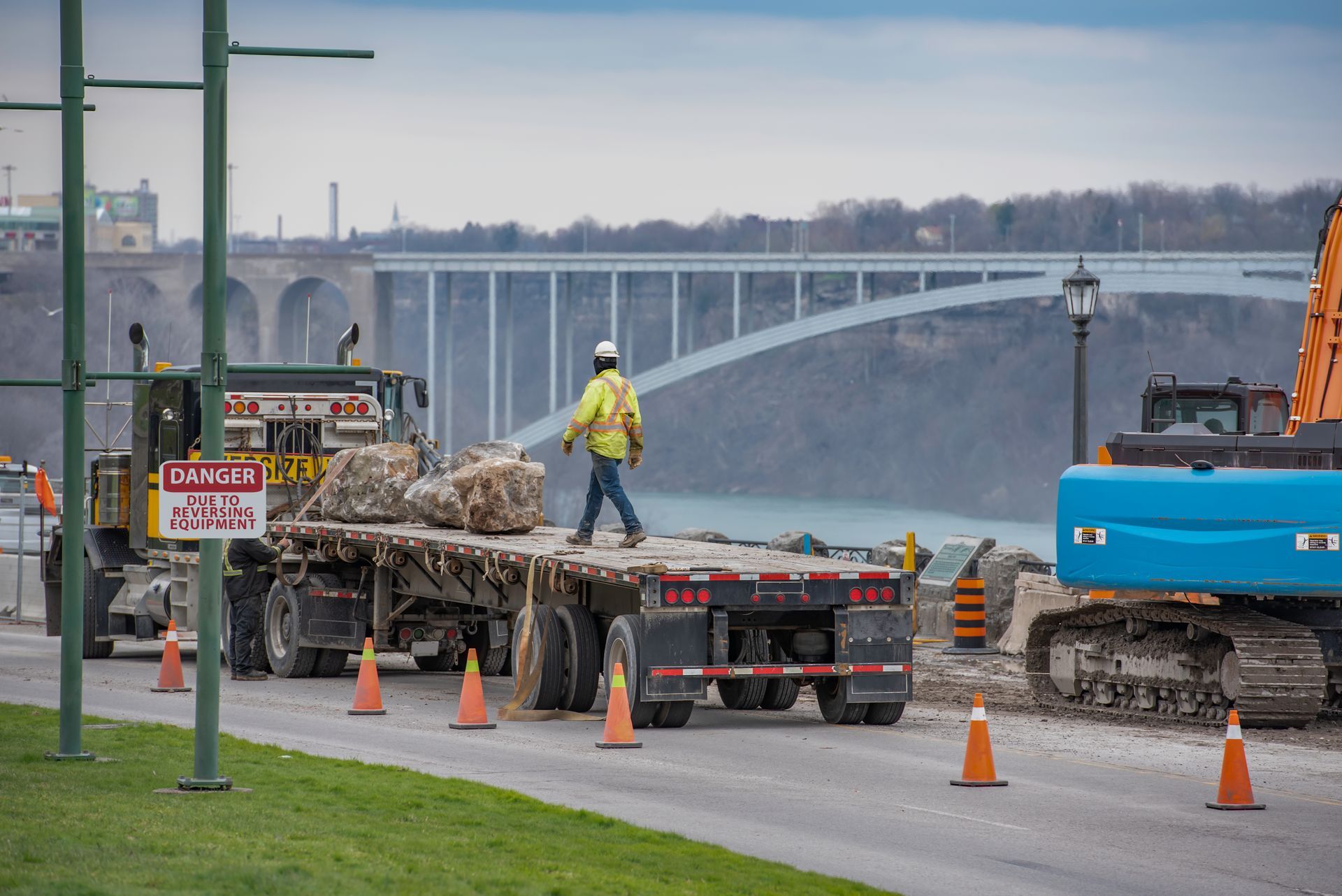
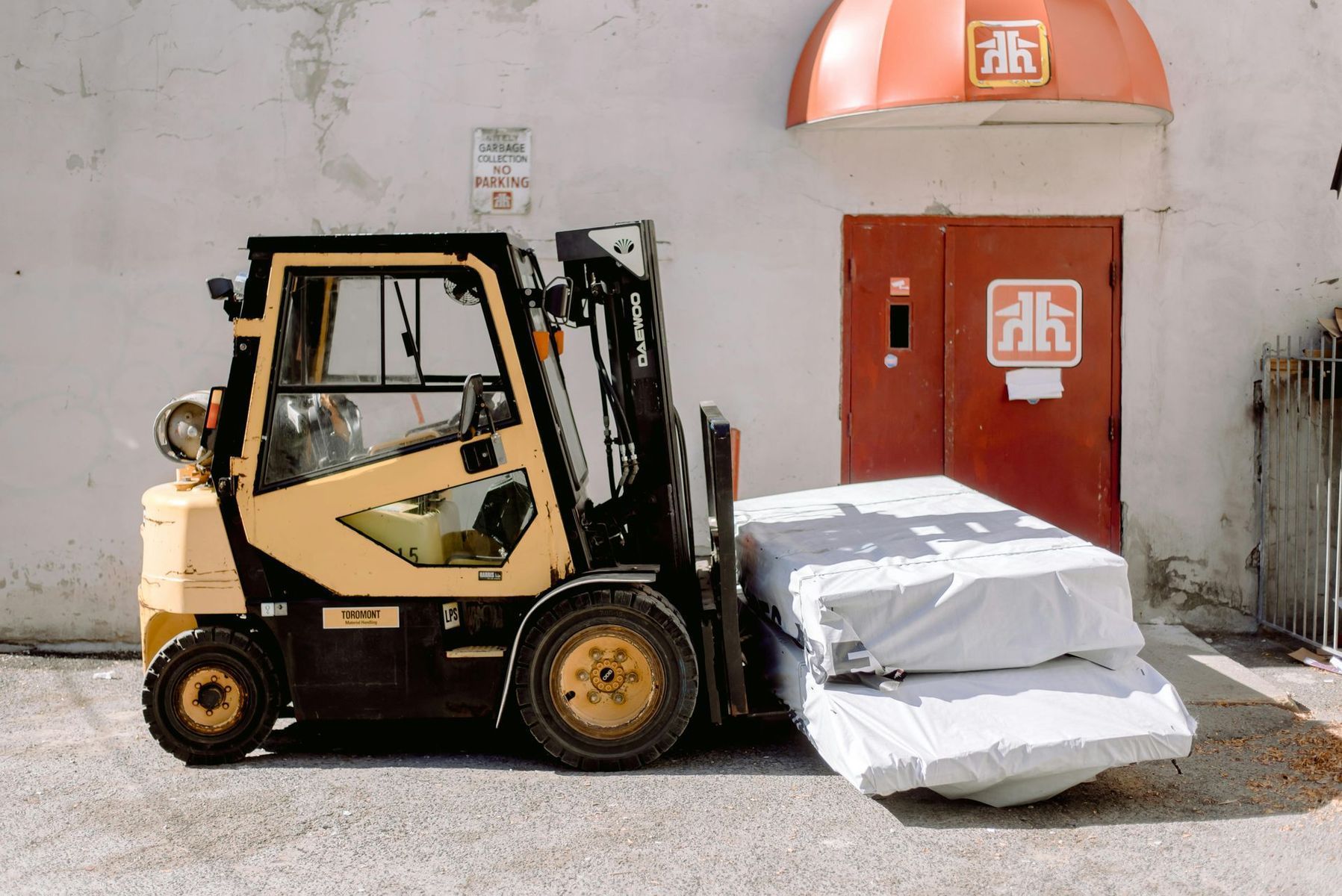
Yes. Flatbeds are often the preferred choice for job site deliveries because they allow side and overhead loading and unloading. Make sure your carrier is aware of site access restrictions, surface conditions, and any equipment needed for offloading, such as a crane or forklift.
How does Phoenix heat affect flatbed load securement?
High temperatures cause metal components to expand slightly, which can affect strap tension and load stability over a long haul. Experienced drivers check and adjust securement during hot-weather runs. Always work with a carrier who has specific experience running loads in desert heat conditions.
Can Tiny's Trucking handle oversized or permitted loads in the Phoenix metro?
Yes. The team handles heavy and oversized freight across Phoenix, Glendale, and Scottsdale, including coordination for loads that require special routing or permits under Arizona DOT guidelines.
Is flatbed trucking more expensive than dry van?
Generally, yes. Open-deck rates run higher than dry van due to the specialized equipment and securement requirements. In 2026, flatbed rates per mile have climbed further given strong regional demand. Planning ahead and building a carrier relationship helps control those costs.
If you are managing construction logistics, equipment moves, or industrial freight in the Phoenix area and need a carrier you can count on, reach out today: contact Tiny's Trucking to discuss your flatbed freight needs.
Recent Posts