How Phoenix Businesses Can Navigate Heavy Equipment Shipping Challenges in 2026
Heavy Equipment Transport in Phoenix: What Every Contractor Needs to Know in 2026
Phoenix is no longer just a Sun Belt city on the rise. It is a full-scale industrial powerhouse, and the pressure on local logistics networks has never been greater. As semiconductor manufacturing, industrial development, and infrastructure projects continue expanding across the Valley, contractors and project managers are moving more oversized loads, more frequently, through increasingly congested transportation corridors.
If you are a construction company, industrial supplier, or facilities manager operating in the Valley, understanding the unique demands of heavy equipment transport in Phoenix is not just useful knowledge. It is a competitive advantage.
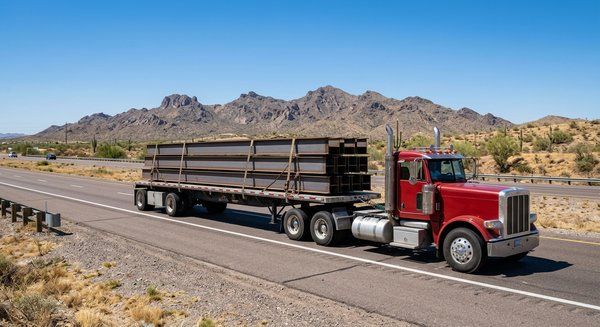
Tiny's Trucking has been serving the Phoenix-Glendale metro area with flatbed hauling, machinery rigging, expedited freight, and on-site forklift services built specifically for the Southwest's demanding conditions. This guide breaks down the four biggest challenges shaping local heavy hauling right now, and exactly what to look for in a carrier that can handle them.
1. Phoenix's Manufacturing Boom Is Creating Unprecedented Demand for Specialized Hauling
Metro Phoenix is now home to some of the most complex manufacturing buildouts in the country. Massive semiconductor fabrication plants and clean-energy vehicle facilities have attracted waves of Tier 1 and Tier 2 suppliers, all of whom need components, machinery, and industrial gear moved with precision and speed.
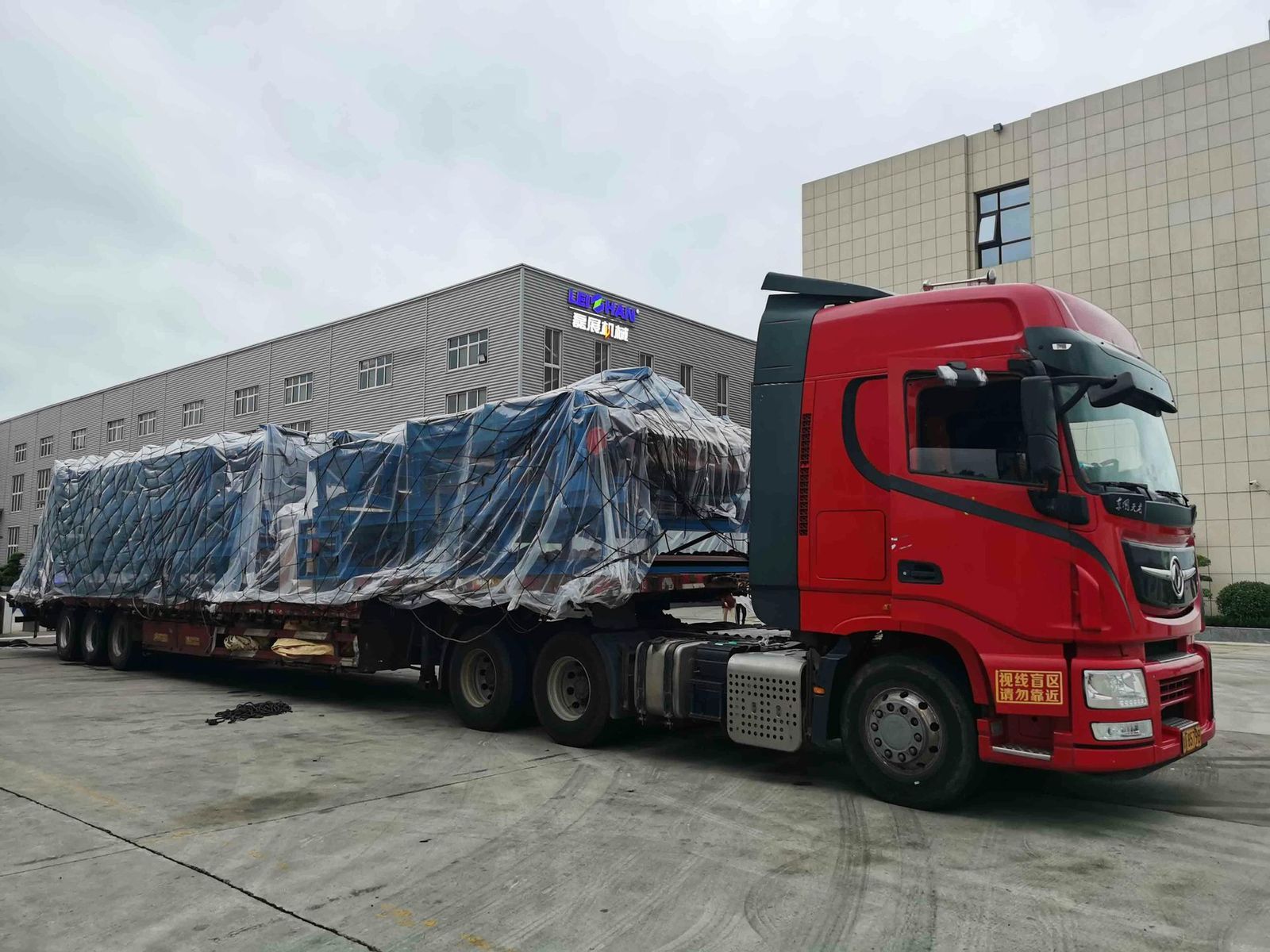
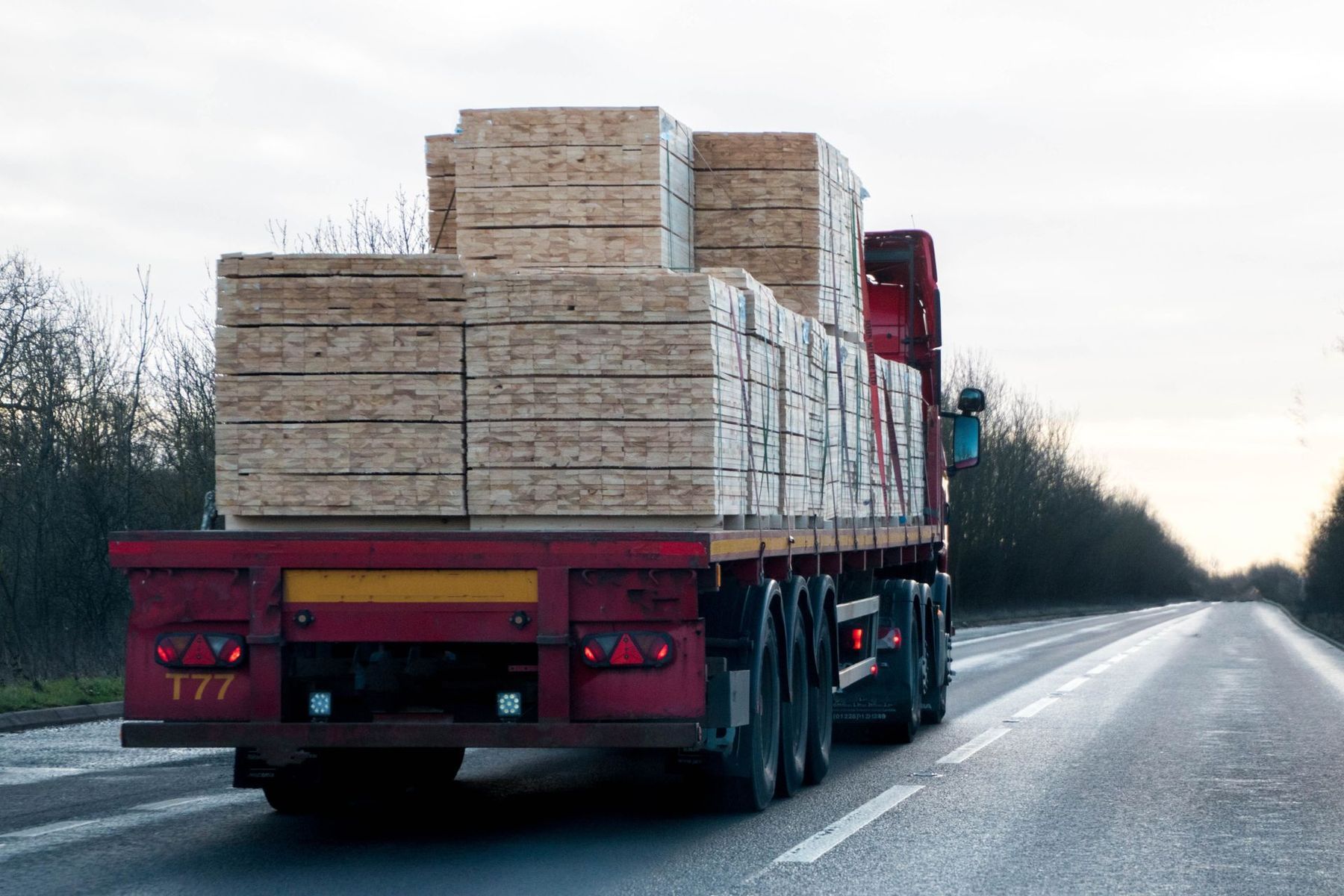
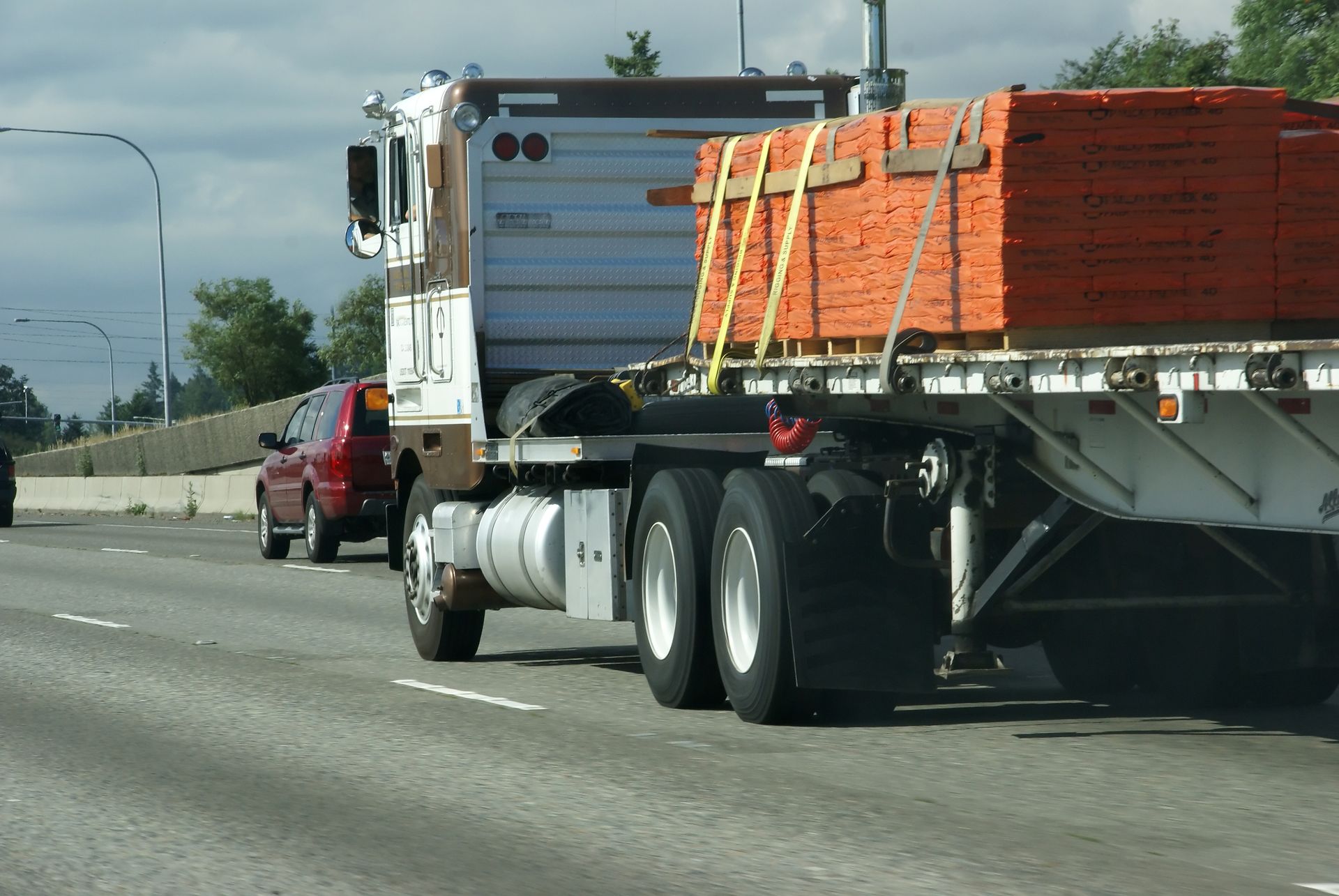
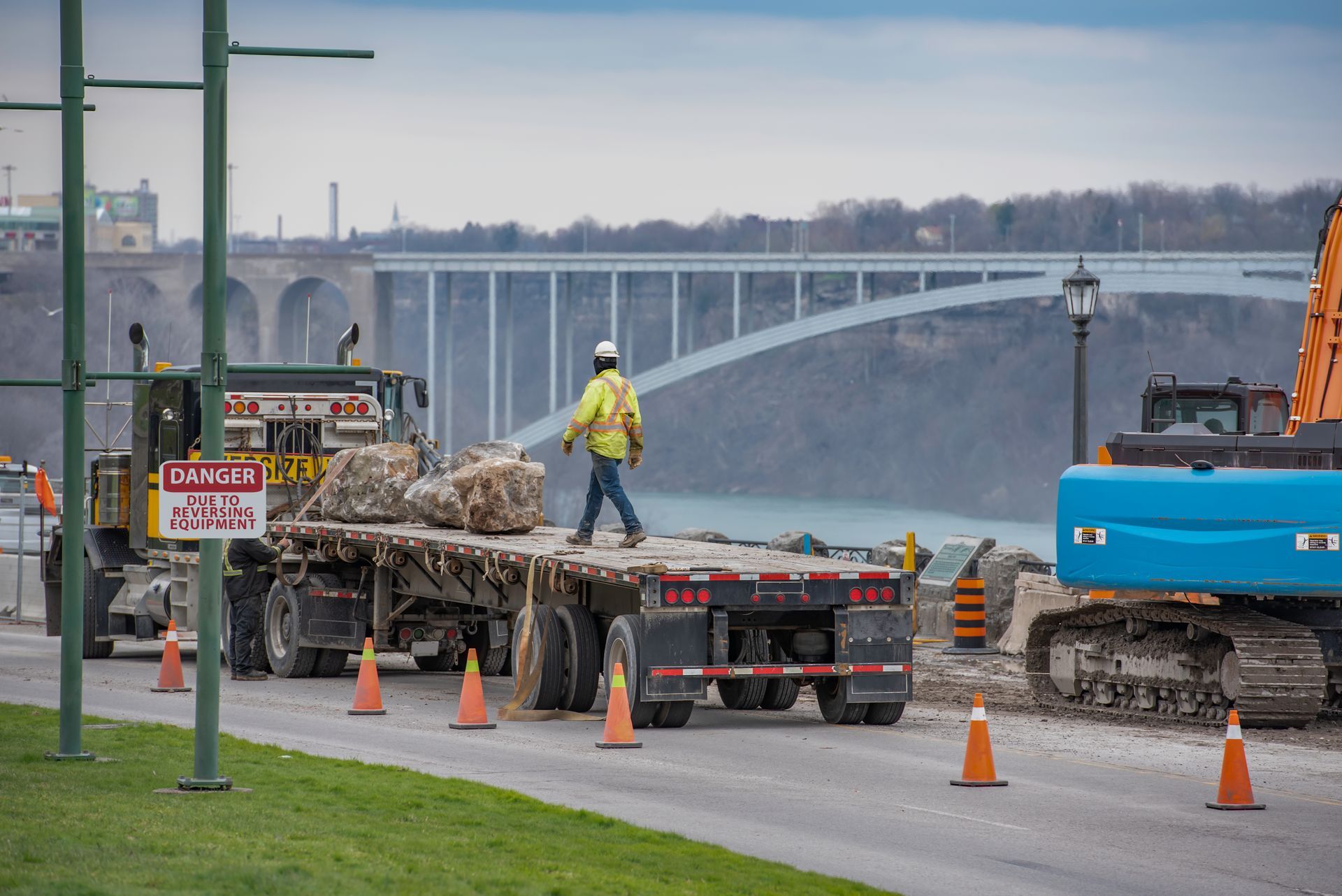
Standard freight solutions simply cannot keep up. Oversized manufacturing components, high-value industrial equipment, and custom-fabricated parts require carriers with proper permits, specialized flatbed configurations, and experienced operators who understand load securement at a technical level.
For contractors supplying these facilities, a single delayed shipment can cascade into schedule overruns worth tens of thousands of dollars. Partnering with a carrier that specializes in flatbed trucking and heavy machinery transport is not optional in this environment. It is a baseline requirement for staying competitive on high-profile projects.
2. Summer Heat Is a Real Risk Factor for Your Equipment in Transit
Phoenix summers are no secret, but the operational impact of 105-plus-degree temperatures on heavy freight is something many shippers underestimate until it costs them.
Extreme desert heat degrades hydraulic seals, alters fluid viscosity, and dramatically increases the risk of tire blowouts on loaded flatbed trailers. If your machinery is being hauled on a standard trailer by a carrier without heat-specific protocols, you are rolling the dice every time temperatures spike above 100 degrees.
Experienced local carriers address this through several layers of precaution:
- Pre-trip thermal inspections of tires, hydraulic lines, and fluid reservoirs before every summer haul
- Strategic scheduling that prioritizes early-morning or late-evening departures to avoid peak heat windows
- Heat-resistant securing equipment including specialized straps and edge protectors rated for high-temperature conditions
When you are moving a $200,000 loader or a piece of precision manufacturing equipment, you need to know your carrier has done this in a Phoenix summer before, not that they are learning on your dime.
3. I-10 and I-17 Congestion Is Getting Worse, Not Better
The Arizona Department of Transportation projects that freight tonnage moving through the state will increase by roughly 60% by 2045. That growth is not happening in a vacuum. It is landing on highways like I-10 and I-17 that are already operating near capacity during peak hours.
For heavy equipment shipments, traffic delays are more than just an inconvenience. Every hour a driver sits in stop-and-go traffic on the I-10 Papago Freeway burns into federally regulated hours of service. When hours run short, loads get delayed, schedules get pushed, and costs go up.
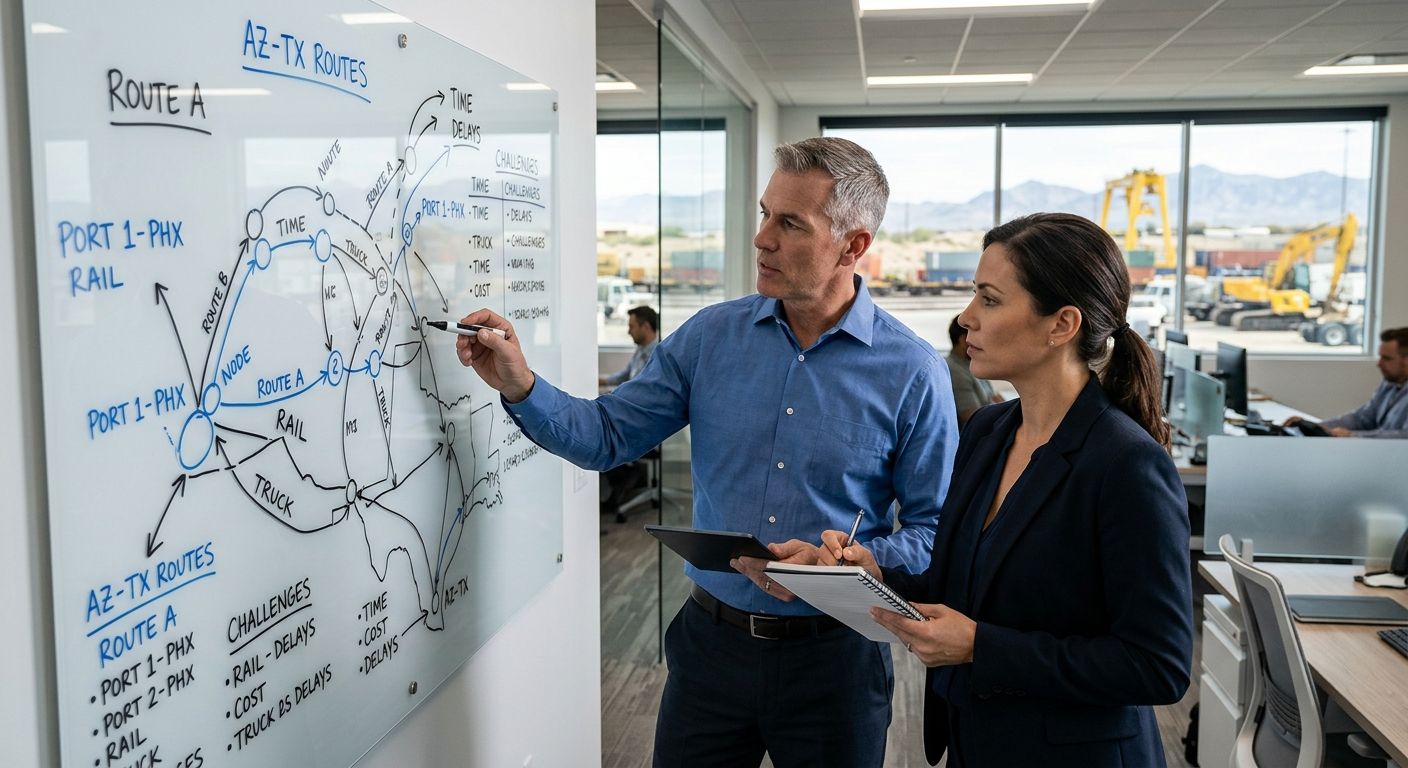
The solution is local knowledge. A dispatcher who knows Phoenix's arterial backroads, who understands where construction zones stack up, and who can reroute in real time is worth more to your delivery timeline than any routing software working from generic highway data. Local carriers with deep route expertise can navigate around bottlenecks proactively, keeping your freight and building materials moving even when the interstates are locked up.
4. Tight Warehouses Are Pushing Everyone Toward Just-In-Time Delivery
Greater Phoenix absorbed more than 91 million square feet of new industrial space between 2023 and early 2026. That sounds like a lot of room to breathe, but as the market stabilizes and vacancy rates tighten, warehouse operators are being forced to run leaner inventory systems with less buffer stock on hand.
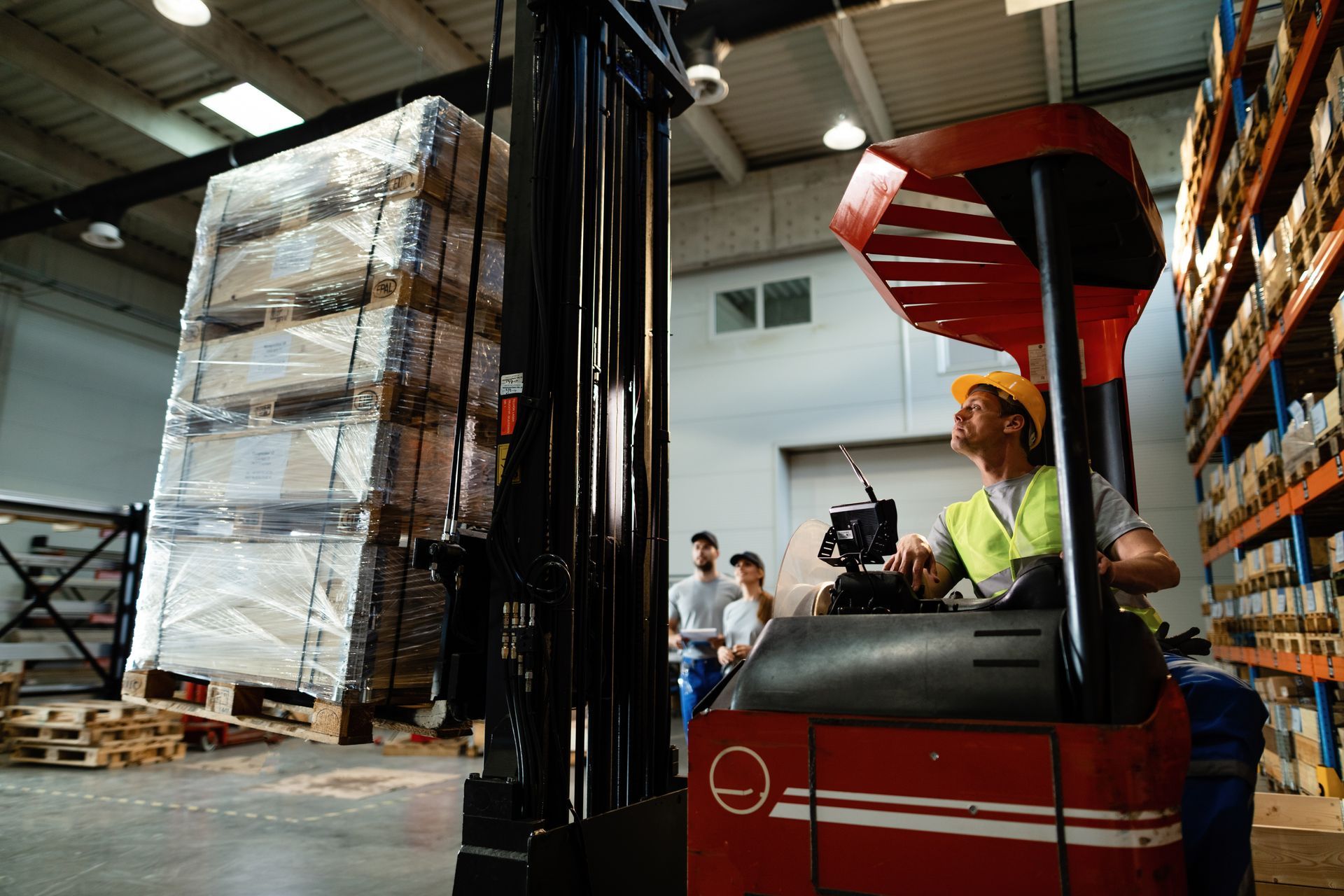
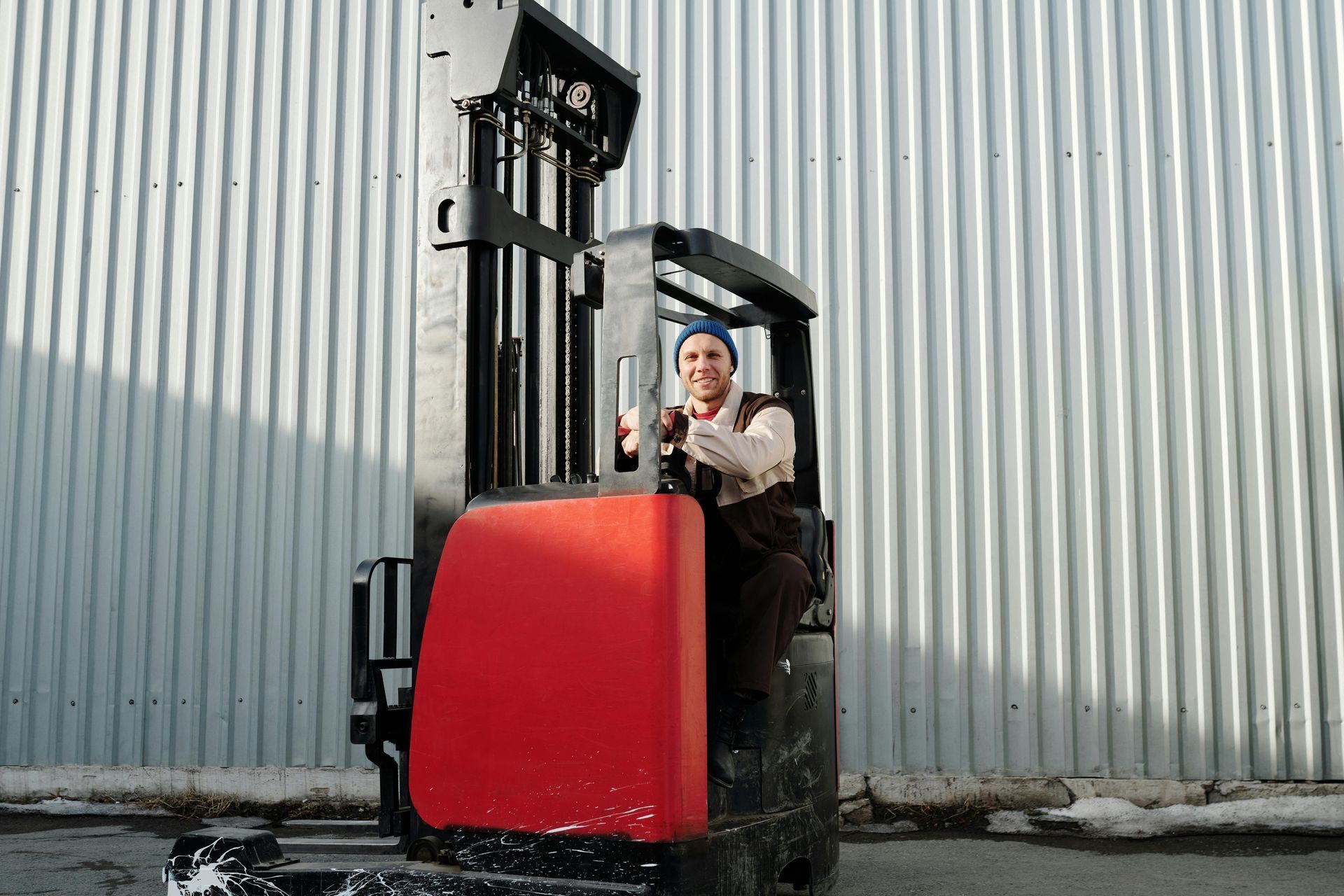
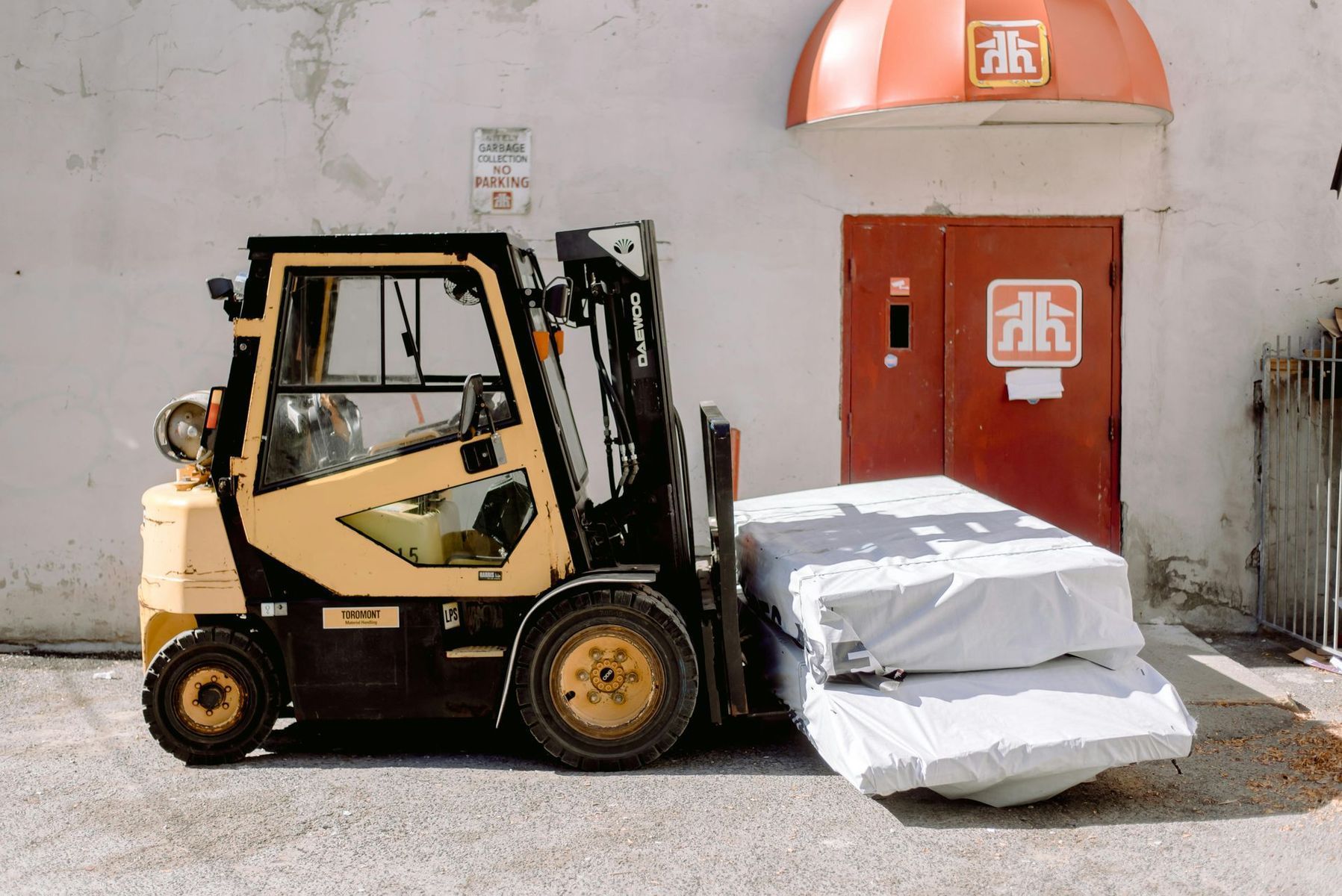
The ripple effect hits trucking directly. When warehouses cannot afford to sit on excess inventory, they need freight to arrive on a tight schedule, not a day early and certainly not a day late. They also need carriers who can execute fast dock turnarounds, which means having on-site forklift capability ready to go rather than waiting for the warehouse's own equipment to free up.
For distributors and contractors working in this environment, the right trucking partner is one who can deliver expedited on-demand service and bring the loading and unloading muscle to make every stop as efficient as possible.
Make the Right Call Before Your Next Heavy Haul
Whether you are moving a crane component to a North Phoenix fab plant, hauling construction equipment to a Glendale job site, or setting up a tight just-in-time delivery chain for a warehouse customer, the logistics challenges in the Valley are specific, seasonal, and getting more complex every year.
Working with a carrier who has built their entire operation around these exact conditions makes every load safer, faster, and more cost-effective.
FAQ: Heavy Equipment Transport in Phoenix
What makes heavy equipment transport in Phoenix different from other cities?
Phoenix presents a combination of challenges that most other metros do not. Extreme summer heat creates real mechanical risks for trucks and cargo alike, major highway corridors like I-10 and I-17 face growing congestion from industrial expansion, and the regional manufacturing boom means more oversized, high-value loads moving on tight timelines than ever before. Local experience with all three factors is essential.
How should I prepare my equipment for flatbed transport in summer heat?
Before your carrier picks up the load, make sure all fluid reservoirs on the equipment are at correct levels and that any heat-sensitive components are covered or shielded. On the carrier side, ask specifically about pre-trip thermal inspections, scheduled departure times, and the type of securing equipment being used. A carrier experienced in Phoenix summer hauling will already have protocols in place.
What is the advantage of using a local trucking company over a national carrier for Phoenix-area deliveries?
Local carriers know the backroads, understand seasonal traffic patterns on key arteries, and can dispatch flexibly based on real-time conditions. For time-sensitive loads or oversized equipment that requires permit routing, that local knowledge translates directly into fewer delays and lower overall costs.
Does Tiny's Trucking offer forklift services at the delivery site?
Yes. On-site forklift services are available for customers who need efficient loading and unloading without relying on the receiving facility's own equipment. This is especially useful for warehouse deliveries operating on lean just-in-time schedules where dock time is limited.
How far in advance should I book heavy equipment transport in the Phoenix area?
For standard loads, booking 48 to 72 hours in advance is generally sufficient. For oversized loads requiring special permits, or for deliveries tied to a hard project milestone, booking 5 to 7 business days ahead gives your carrier time to secure permits, plan the optimal route, and schedule around peak traffic and heat windows.
Recent Posts